
Introduction
In the realm of dental restoration, patients today have access to a myriad of advanced options to improve the aesthetics and functionality of their teeth. Two of the most popular choices are porcelain veneers, commonly known as Porcelain Veneers in China, and Zirconia Crowns, a revolutionary material often used in dental laboratories. As an expert in the field, let’s delve into the strengths and weaknesses of these two restorative methods.
Porcelain Veneers : Aesthetics Meets Durability
Porcelain veneers, originating from China Dental Laboratory techniques, have become a staple in cosmetic dentistry for their remarkable ability to mimic natural teeth. These thin layers of ceramic material are bonded to the front surface of teeth, offering numerous advantages:
Pros:
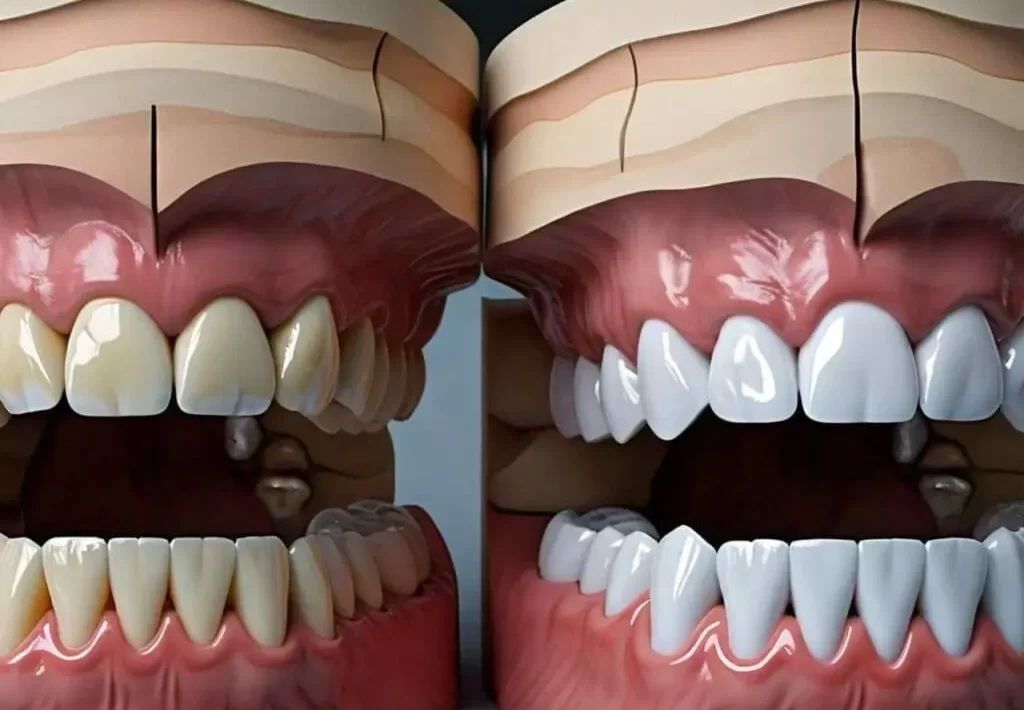
Natural Appearance: Porcelain veneers excel in mimicking the color, translucency, and texture of natural teeth, blending seamlessly with the surrounding dentition. This provides a highly aesthetic result that’s difficult to distinguish from real teeth.
Strong Durability: Although porcelain is relatively fragile on its own, when crafted into veneers and bonded professionally, they can withstand daily wear and tear for years, often exceeding a decade with proper care.
Versatility: They can correct a wide range of dental imperfections, including stains, chips, gaps, and minor misalignments, offering a comprehensive solution for many patients.
Stain Resistance: Unlike natural teeth, porcelain veneers are highly resistant to discoloration from coffee, tea, or smoking, ensuring a consistently bright smile.
Cons:
Cost: Porcelain veneers are generally more expensive than other dental restoration options, primarily due to their intricate crafting process and superior aesthetics.
Irreversibility: Once placed, veneers are permanent. Removing them can significantly damage the underlying tooth structure, making this a decision that requires careful consideration.
Preparation: Placing veneers often involves removing a thin layer of enamel from the tooth, which is irreversible and can leave the tooth more sensitive.
Potential Breakage: While durable, porcelain veneers can chip or crack under excessive force, necessitating replacement.
Zirconia Crowns: Strength and Aesthetics in Harmony
Zirconia Crowns, crafted by China Dental Lab, represent a leap forward in dental restorative materials. Their exceptional strength and aesthetic capabilities make them ideal for a variety of restoration needs.
Pros:
Unbeatable Strength: Zirconia is known for its incredible strength, outperforming traditional metal crowns in terms of fracture resistance. This makes it an excellent choice for patients with weakened teeth or those prone to grinding.
Improved Aesthetics: Advances in technology have significantly enhanced the aesthetic appeal of zirconia crowns. Full contour Zirconia Crowns (Monolithic Zirconia Crowns) feature increased transparency and natural-looking colors, blending seamlessly with natural teeth.
Biocompatibility: Zirconia is highly biocompatible, reducing the risk of allergic reactions or adverse tissue responses.
Minimal Wear: Unlike metal crowns, zirconia crowns cause minimal wear to opposing teeth, preserving the health of the entire oral cavity.
Cons:
Cost: Like porcelain veneers, zirconia crowns can be costlier than some other restoration options, particularly if customized aesthetics are desired.
Potential Chipping: Although highly resistant, zirconia crowns can still chip or fracture under extreme conditions, particularly if they’re not adequately protected against trauma.
Technical Sensitivity: The success of zirconia crowns often depends on the precision of the fitting and bonding process, requiring highly skilled dental professionals.
Aesthetics in Specific Cases: While significant strides have been made in improving zirconia’s aesthetics, it may not achieve the same level of translucency as porcelain veneers in every case, especially for very front-facing teeth.
Conclusion
Both porcelain veneers and zirconia crowns offer unique advantages and disadvantages for dental restoration. Choosing between the two often depends on individual patient needs, including the location and extent of the restoration, as well as aesthetic and functional goals. The expertise of dentists working in Dental Lab in China plays a crucial role in recommending the most suitable option for each patient, ensuring optimal outcomes.
In summary, both porcelain veneers and zirconia crowns represent advancements in dental restoration technology, providing patients with safer, more aesthetically pleasing, and longer-lasting solutions.